
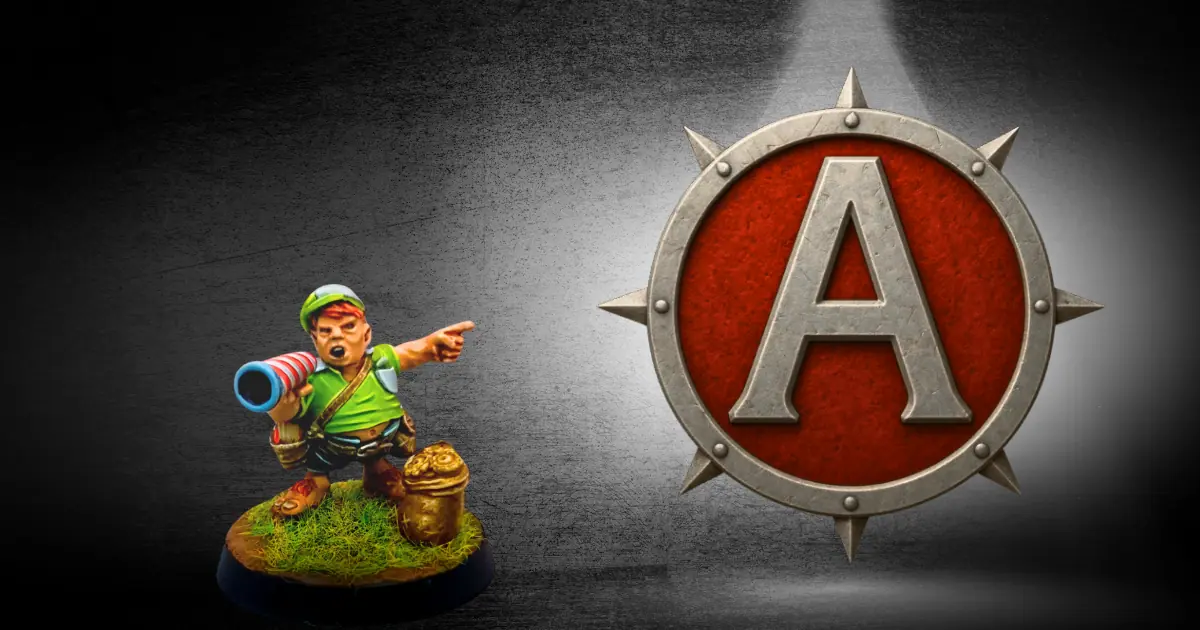
Introduction to Agema Minis
Greg McBride, the founder of Agema Minis, has been into miniatures and wargaming since childhood. What started with model tanks from his father as rewards for good schoolwork grew into a hobby that eventually became a business.
Greg first turned his attention to a historical range of Etruscan wargaming figures, then, after years away, returned to Blood Bowl and decided to bring the same approach to Fantasy Football. Today, Agema Minis is run by Greg and his partner Rita, producing 32mm resin teams and Star Players for the game.
But turning the hobby into a business came with a familiar challenge for solo miniature makers: how do you manufacture high-detail, durable minis without giving away too much of your margin? The rise of affordable 3D printing in the 2010s changed the game, and after extensive research, Greg eventually settled on an Asiga printer and AmeraLabs TGM-7 resin.
We asked Greg about the early days, the switch to TGM-7, and what it has meant for the business.
Interview with Greg McBride
How did Agema Minis get started?
Tell us about the origin of Agema Minis.
I have always been interested in miniatures and wargaming. From my earliest days growing up on a military base in Germany, my father, who was in the British Army, used miniatures as part of his role and would often give models of tanks etc. to me as rewards for hard work at school or similar.
When we came back to the UK in the ’70s, my father bought me the D&D game along with an early set of metal miniatures from Ral Partha. I have been hooked ever since!
I was working in insurance in the early 2000s and became (unsurprisingly!) rather bored and disillusioned. It was at that point I decided to try and build my hobby into my focus.
Why Asiga and TGM-7?
Why did you decide to switch to an Asiga printer and TGM-7 resin?
The challenge for an individual making minis is how you manufacture the product. When I began in the early 2000s, I was outsourcing everything. This left very little margin to reinvest and grow once production costs were subtracted. The emergence of 3D printing in the 2010s seemed to offer an accessible and relatively low-cost method of production. Through my research into the 3D printing process, I was introduced to De Tinnen Roos and Ramon Jahn. Long story short, Ramon convinced me to invest in Asiga printers and use TGM-7, both of which in combination produced a far higher-quality product than the other options I had explored.
The biggest improvement after switching
What has been the single biggest improvement since switching?
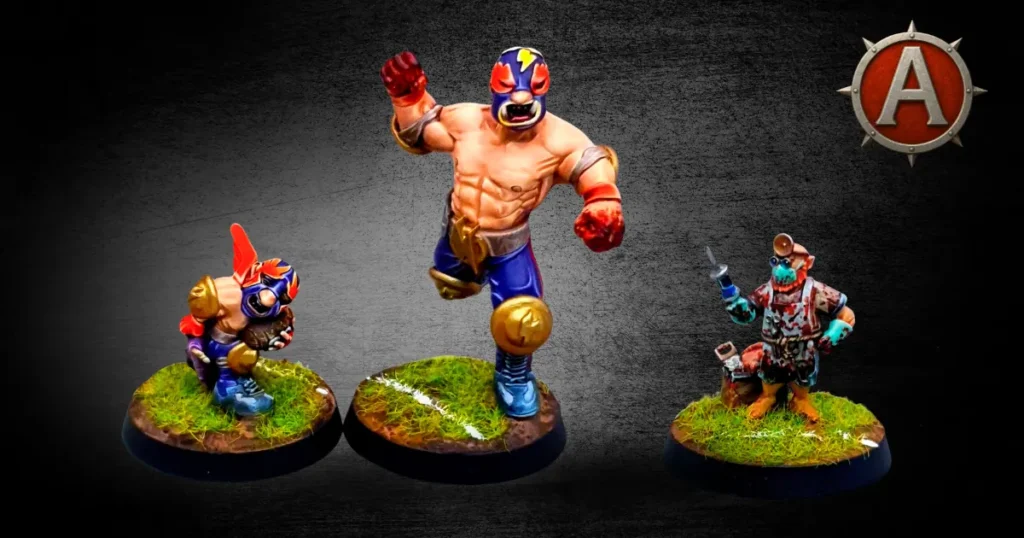
Most 3D printing resins I had tried were prone to shattering if dropped, and certainly wouldn’t withstand modelling work such as cutting, sanding, etc. With some, the detail on miniatures was also pretty limited. The Asiga range of printers produced very high-quality results which, when combined with TGM-7, really solved both of those major issues.
What it did for the margins
How has the resin switch affected your profit margins? Can you share a rough before/after comparison?
TGM-7 resin is probably twice as expensive as mainstream resins from brands such as Anycubic or Elegoo, which does eat into profits. However, the end product made with TGM-7 allows a higher retail price because it holds fine detail and is durable when handled. A cheap resin model that breaks easily often means a second purchase. Buy cheap, buy twice!
Repeat orders and customer satisfaction
Have you seen an increase in repeat orders or customer satisfaction due to improved miniature quality?
I have most definitely experienced higher customer satisfaction and repeat business due to the quality and resilience of my miniatures. I don’t believe I have received any complaints since using TGM-7 for minis.

Plans for scaling up
What are your plans for growing your miniature printing operation? How do TGM-7 and the Asiga printer fit into those plans?
I have run two successful Kickstarter campaigns to date, with the second almost twice as successful as the first. I intend to grow my range and run more campaigns, hopefully making each one more successful than the last. Central to that success will be the capabilities and qualities of my Asiga Ultra and TGM-7.
Advice for other miniature printers
Do you have any advice, tips, or recommendations for other miniature printers in the community?
With any machine and its inputs, there will be a learning curve. Even with expert handholding from Ramon and the DTR guys, I have made mistakes and continue to learn new tips and tricks through constant use and experimentation. Keep learning, keep an open mind, and most importantly, keep asking questions! The only stupid question is the one you don’t ask, and most people are usually happy to help if asked. Oh, and always test print a single mini before going into full production!
Conclusion
Agema Minis is a good reminder that turning a hobby into a sustainable business depends not only on passion, but also on the right production setup.
For Greg, pairing an Asiga printer with TGM-7 resin helped fix the problems that had been holding the work back: brittle prints that shattered when dropped, limited detail, and the constant worry that a miniature might not survive handling, modelling work, or even the journey to the customer. Repeat business is up, and complaints have effectively gone away since the switch.
TGM-7 costs more than mainstream resins, but the math works out when the finished model supports a higher retail price and is less likely to come back as a complaint or replacement request. It comes back to Greg’s point: buy cheap, buy twice.
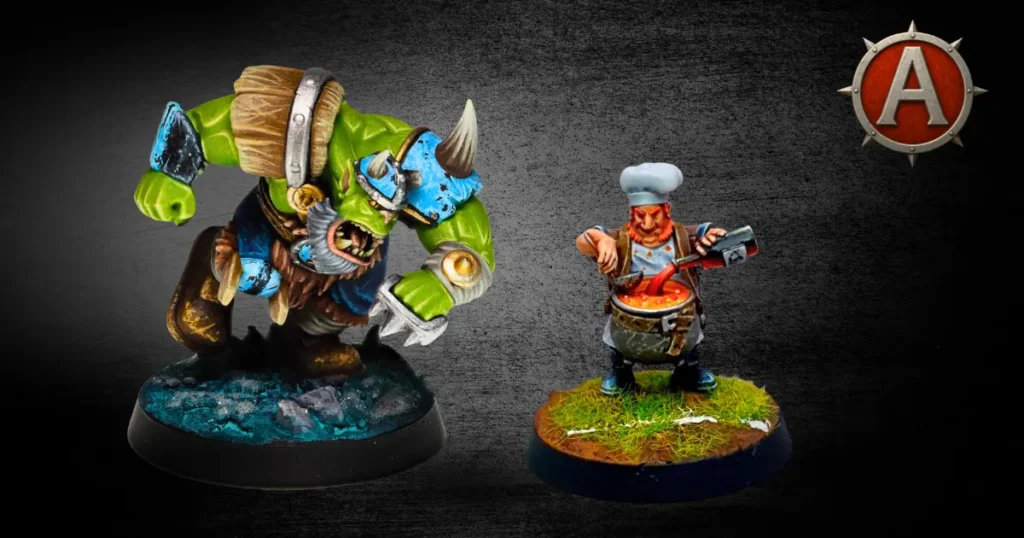
The results show it. Greg’s Fantasy Football Kickstarter campaigns have been small but heavily overfunded: the Leprechaun (‘Flings) project closed at over 650% of its goal, and the Norse Orcs campaign cleared 500%, raising roughly £5,400 from backers against a £1,000 target. More campaigns are planned, with a growing range to match.
A reliable setup matters in a market where backers pay up front and often wait months for delivery. In 2024, tabletop projects accounted for 83% of all money pledged to games on Kickstarter, with around $220 million across successful campaigns. A broken model can mean a refund, a reship, and a disappointed backer who thinks twice next time. A durable print helps keep that trust intact.
If you are weighing a similar move, our miniatures resin range is a good place to start, and the TGM-7 printing guide covers the settings to dial it in. Planning a campaign of your own? Our guide to Kickstarter success for miniatures walks through the goal-setting and launch-day momentum that small studios like Greg’s rely on.
Follow Agema Minis
Huge thanks to Greg at Agema Minis for sharing the story with us. You can explore the full range of Fantasy Football teams and Star Players in the Agema Minis shop, or follow along on Facebook for new releases and campaign news.
Happy printing!
