
Aetherworks and RuneQuest: Producing Consistent Miniatures Across Three Continents

Co-founder at AmeraLabs
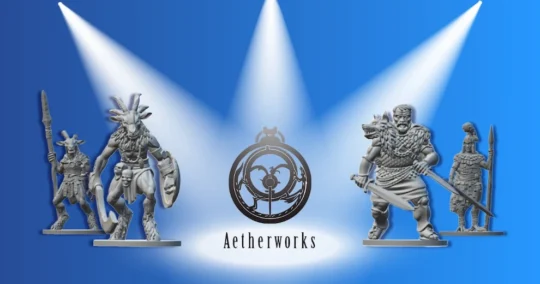
Turning digital models into detailed, durable, playable pieces for backers around the world is anything but a small job. For this Customer Spotlight, we spoke with Paul Johnson, owner of Aetherworks, about their now-live RuneQuest miniatures Kickstarter. We asked him how the project came together, why the team chose a regional production model, and what advice he has for creators and publishers considering resin 3D printing for miniature production. Let’s dive in!
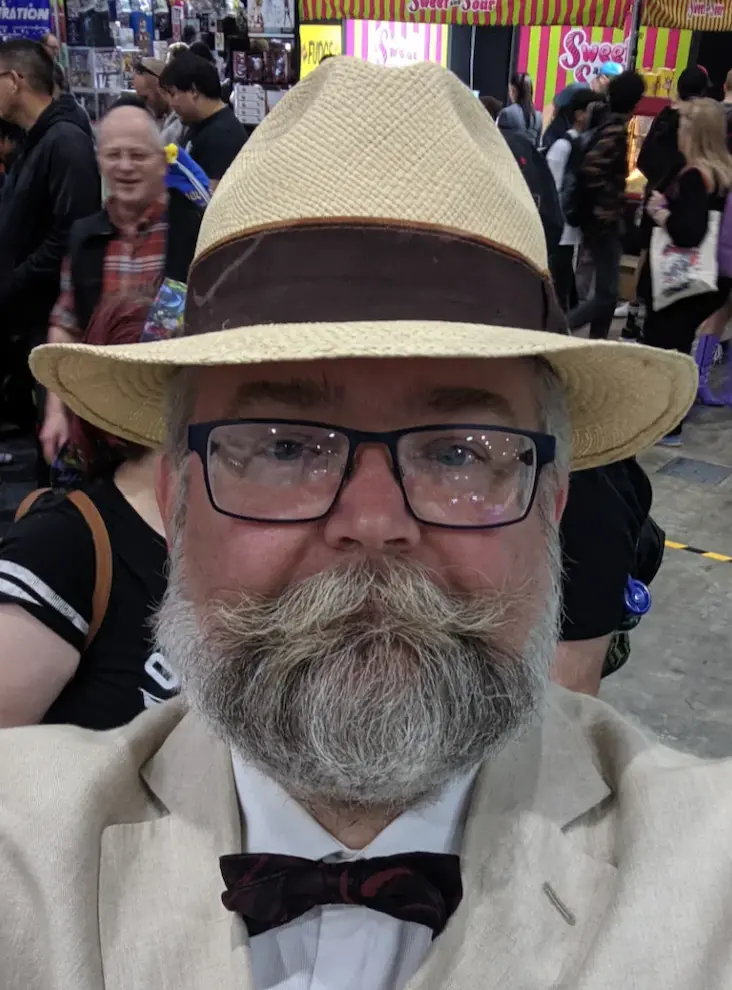
The Interview
How did Aetherworks first become involved in producing miniatures?
I’ve been a tabletop gamer my whole life. Games Workshop’s Warhammer Fantasy Battles was where I cut my teeth, and from there I went deep into the hobby across skirmish and mass battle systems, historical and modern, everything from 6mm and 15mm up to 32mm heroic scale.
The interest in producing miniatures grew naturally out of that passion, along with the personal relationships that grew over time with Reaper Miniatures, as their AU/NZ distributor, and Victoria Lamb of Victoria Miniatures. Those relationships gave me real insight into what it takes to bring miniatures to market.
The RuneQuest project is our first original licensed range. There have been some wonderful RuneQuest miniatures projects over the years, and we’re proud to be part of a tradition that stretches back decades. From the early GW RuneQuest figures through to the passionate fan-driven ranges that came before us, I’m proud to continue that tradition with the advantage of new media and modern manufacturing processes behind us.
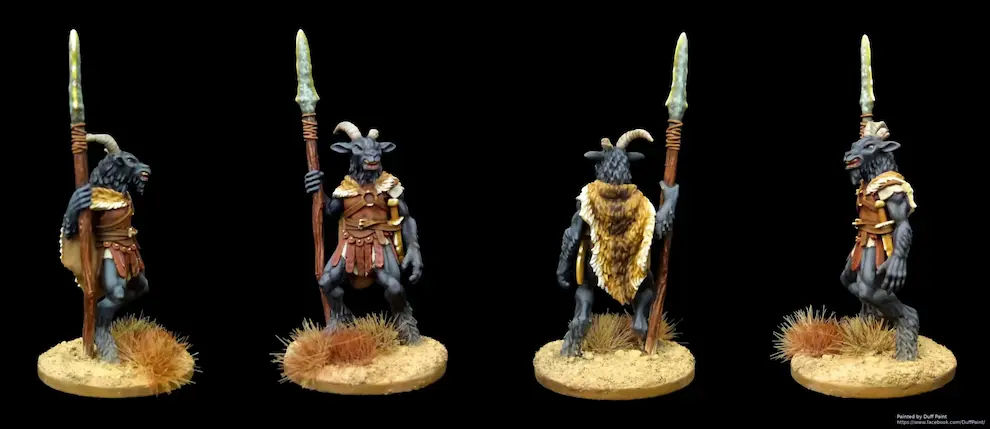
How did the RuneQuest Miniatures project begin?
There’s a story here. I’ve been a RuneQuest tragic pretty much my entire gaming life. It was the second RPG I ever played, right after being introduced to AD&D. I go to GenCon in the US most years, and in 2014 I had the absolute pleasure of meeting Greg Stafford. I completely fanboyed. To the extent that my business partner had to remind me I’d been talking with him for the better part of three hours without realising it.
This was before Moon Design had joined Chaosium and brought the band back together, so it was a very different era for the game. I think the rest of the Chaosium tribe watching that interaction figured out pretty quickly that I was one of them, and I was lucky enough to be invited to work with them from there. Best day ever.
That relationship grew over time, and after I’d been working with Chaosium for a while, I mentioned to Michael O’Brien that I would really love to see some RuneQuest miniatures made. His response? “Do it.” And so we did.
What makes this RuneQuest Kickstarter special?
There have been some wonderful RuneQuest miniatures projects over the years and we’re proud to be part of a tradition that stretches back decades. But what makes this one different?
First, we are fortunate to have the full backing of Chaosium, access to their art, access to their people, and the creative involvement of the Glorantha experts who live and breathe this world every day. That level of authentic creative support has been invaluable in bringing this range to life.
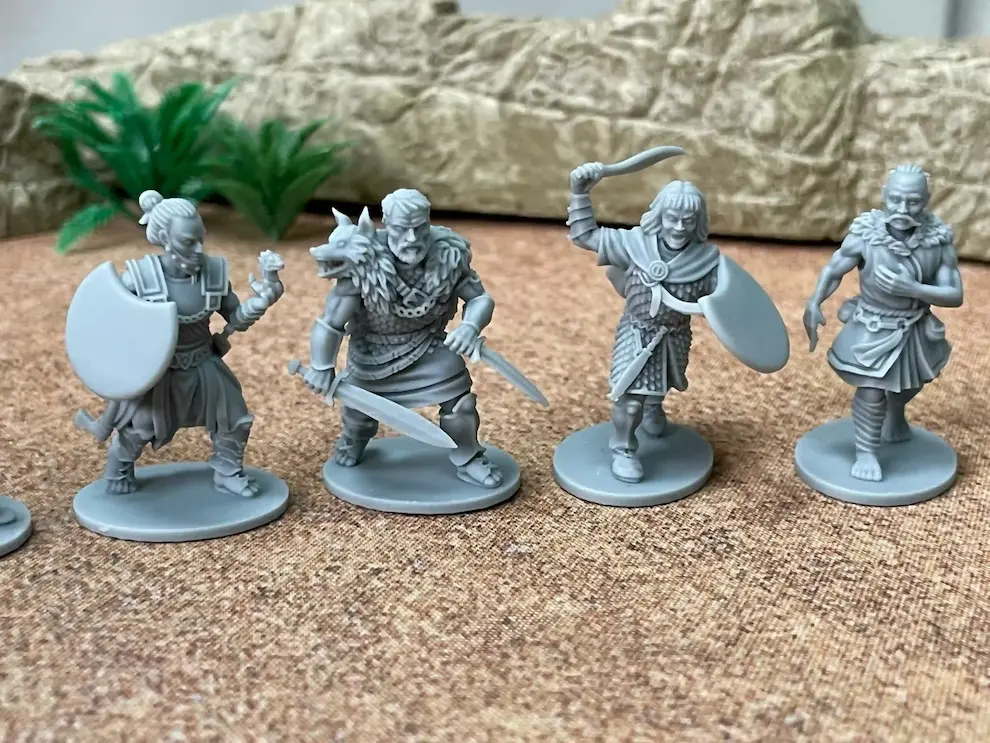
Second is the scale and ambition of the range. We’re launching with 53 fully sculpted miniatures across five distinct factions of Glorantha, but this is just the beginning. Glorantha is a vast world and this range is designed to grow and evolve alongside it.
Third is how we’re making them. Modern resin 3D printing has transformed what’s possible for a range like this, the detail, the accessibility, the dynamic poses that digital sculpting makes possible, and the ability to offer both physical miniatures and STL files for home printing. And by manufacturing regionally across Australia, the US, and Europe in partnership with Reaper Miniatures, backers can receive their miniatures faster and easier.
Who is involved in the project?
We are working with a number of aligned partners across the globe, all sharing the same commitment to quality.
Chaosium is a major partner. They hold the RuneQuest licence and have been deeply involved creatively throughout, giving us access to their art, their world experts, and the full depth of Gloranthan lore that makes this range authentic.
On the manufacturing and fulfilment side we have regional nodes across three continents. Our Australian operation handles production and fulfilment for AU and NZ backers. Our US partner covers North America. And our European partner takes care of EU backers. All three nodes run the same equipment and the same resin.
Why produce miniatures across three continents instead of one location?
The answer is pretty simple. We want every backer to have the best possible experience regardless of where they live. Manufacturing regionally means backers receive their miniatures locally, which eliminates import duties, reduces shipping costs, and gets the product to their door faster.
There’s also a quality consistency angle. Because all three nodes run the same printers and the same resin, we’re not compromising on quality to achieve that local delivery. A backer in Sydney and a backer in Chicago receive an identical miniature, just printed closer to home.
And finally there’s supply chain resilience. A single manufacturing location creates a single point of failure. Having production spread across Australia, the US and Europe means we’re not vulnerable to delays or disruptions in any one region, and we avoid the geopolitical ramifications that come with concentrating manufacturing in a single country in today’s world.
What 3D printing setup are you planning to use for this project and why?
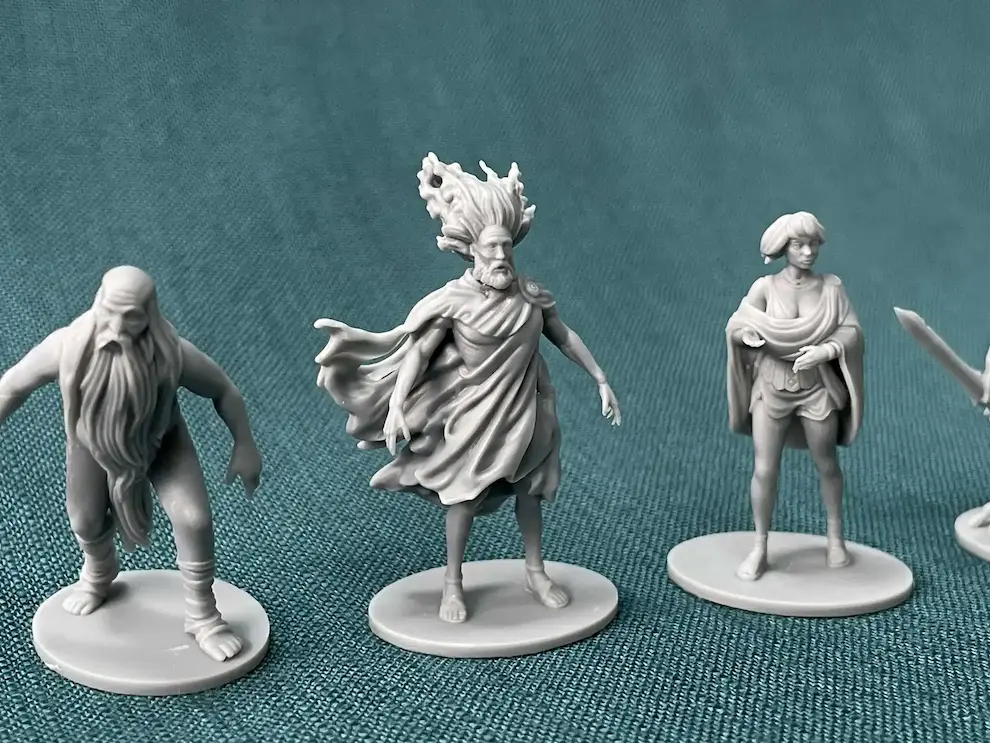
We run Australian-made ASIGA printers. What made us choose them comes down to a few things: print quality first and foremost, but also the fact that they are an unlocked system that allows us to use the right resin for the job regardless of manufacturer. These are industrial machines designed to run day in, day out, and produce exceptional quality, which is exactly why they are so popular in the dental and other industries that demand high tolerances.
We are printing at 30-micron build layers using AmeraLabs TGM-7 resin. All production partners are running the same setup: same printers, same resin, same settings. This was a deliberate decision. By standardising across all three nodes, we can make sure that every backer receives the same quality miniature regardless of where in the world it was manufactured.
Does standardising the setup across the project help with consistency?
Absolutely. Consistency is the whole point. When you’re manufacturing the same miniature across three continents, standardising the resin and printer setup is what guarantees that backers in different parts of the world open the same box and find the same miniature. Same detail, same finish, same feel.
But there are other advantages beyond consistency. Standardising means our teams across all three nodes can share knowledge, troubleshoot together, and apply the same quality control processes. If we identify an issue or an improvement at one node, it can be rolled out across all three immediately.
It also simplifies the STL and build plate workflow. Because all nodes run the same setup, the same pre-supported build plates work everywhere. There’s no need to re-optimise files for different equipment or different resin behaviours. That saves significant time and reduces the risk of errors creeping in across the production chain.
What should RuneQuest fans be excited about in this campaign?
Honestly? That’s for them to answer, and that’s exactly the point. We’re not here to tell RuneQuest fans and tabletop players what they should be excited about. This community has been passionate about this game for decades and they know what they want far better than we do.
What I can say is that we’ve tried to build a system that lets the most invested backers help guide where this range goes. Our VIP programme exists precisely for that reason, to open a genuine conversation with the people who care most about this project, so that what we build next reflects what the community actually wants to see on the table.
We’re at the beginning of something here. The range will grow and evolve, and we want the community to be part of shaping that.
What excites you most about this campaign and what were your expectations?
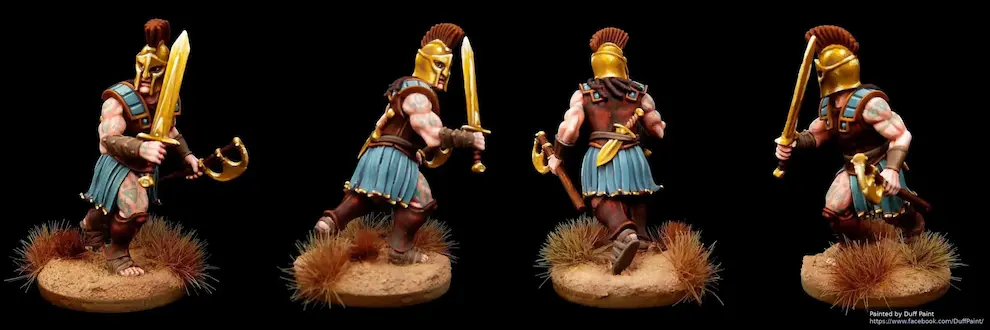
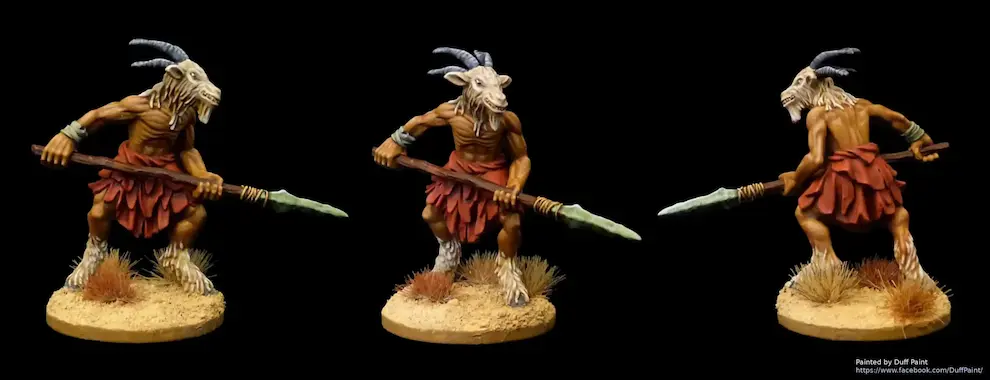
What excites me most is seeing things that have lived in my mind for so long become a physical reality, in the resin, so to speak. Characters and creatures from a world I’ve been passionate about my entire gaming life, now existing as objects you can hold in your hand and put on a table.
But perhaps the bigger surprise has been discovering that I’m not alone in this. Finding out that a whole community of people share the same vision and passion has been genuinely moving.
As for expectations? I had none. I believed we had something worthwhile, but it wasn’t until we hit that first funding goal and the Kickstarter went live that I actually felt like we could really do this. And then the pledges kept coming, and people kept asking for more. That’s an incredible feeling that I honestly didn’t dare expect.
What advice would you give creators considering resin 3D printing for miniatures?
I have learnt so much from this process and I’m still learning every day. I hope that never stops.
Advice? Pardon the crudity, but I think it all comes down to one thing, and I’ll be honest, I haven’t always done this as well as I should have. PPPPPP. Prior planning prevents piss poor performance. Get your ducks in a row before you start, because the complexity compounds quickly once you’re in motion.
Once you choose a course of action, stick to it. You will be tempted to make changes and second-guess yourself along the way, but all that does is introduce chaos and uncertainty into the system, and that is lethal when you’re working with a team.
And finally, surround yourself with excellence. Not just in the people around you, but in your machines and your materials. Get those three things right, and you’re more than halfway there.
Beyond that, don’t be afraid to push the boat out. Resin 3D printing opens up a whole new world of design and creative possibility. We’re still in the early days of understanding what’s truly possible with this technology, and I think the best thing any of us can do is experiment, be brave, and see where it takes us.
Conclusion
Paul’s story is a good reminder that great miniature projects are built on more than great sculpts. Passion, planning, the right partners, and a reliable production setup all matter when you want to turn a beloved world into something people can actually hold, paint, and play with.
Back the Kickstarter
If Paul’s story sparked your curiosity, or if RuneQuest already has a permanent spot in your gaming heart, the Rune Marked Miniatures RuneQuest Kickstarter is live now. The campaign features 53 miniatures, five Gloranthan factions, physical miniatures and STL files – all produced to the same standard, wherever in the world you are.
Check out the campaign on Kickstarter
Follow Aetherworks
Huge thanks to Paul for sharing the story with us. You can learn more about Aetherworks and their work in tabletop manufacturing, fulfilment, and distribution on their website, or follow them on Facebook, Instagram or LinkedIn for project updates, new releases, and more behind-the-scenes miniature production goodness.
Happy printing!